
Congress puts brakes on investors piling up family homes
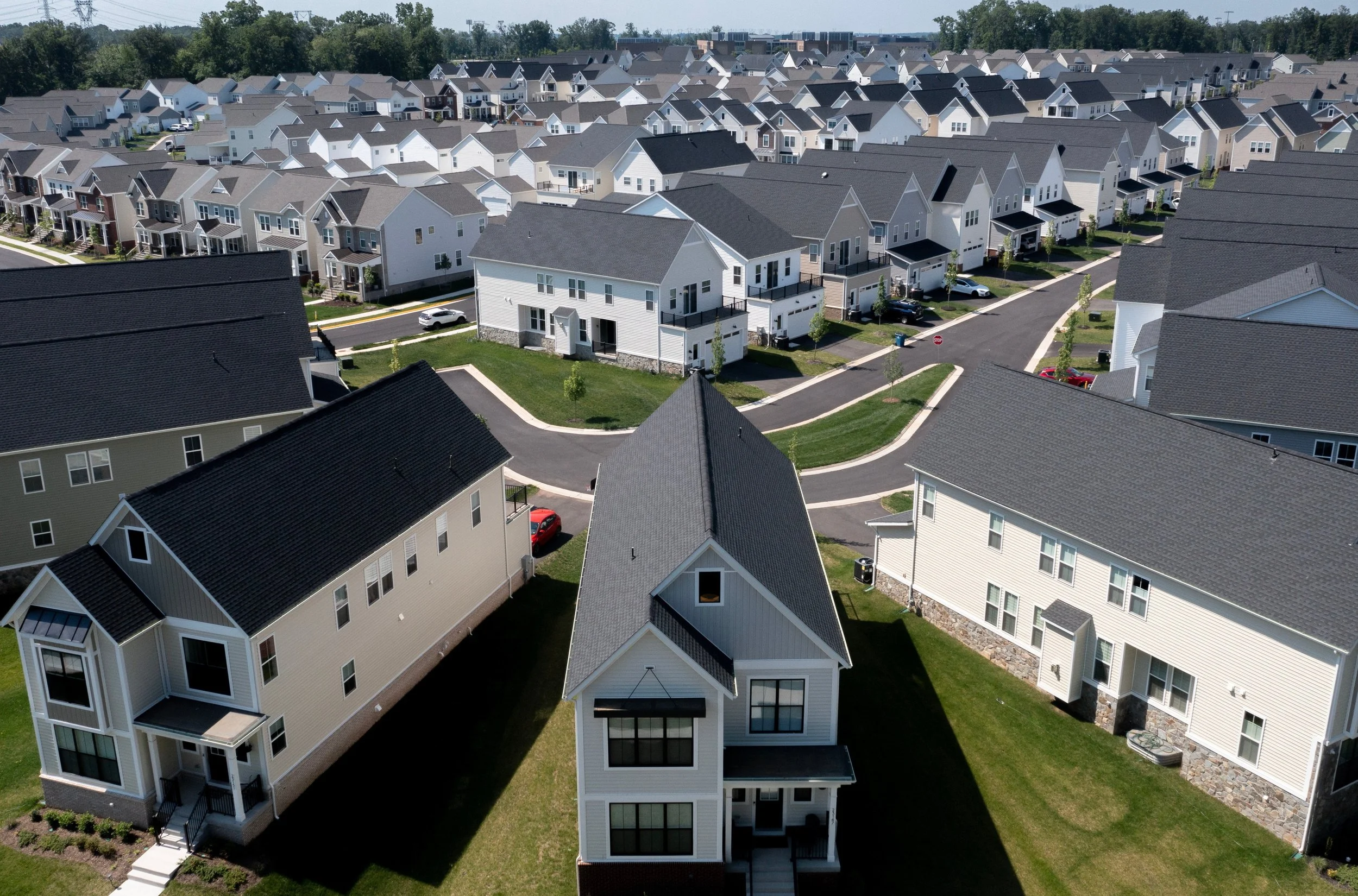
The 21st Century Road to Housing Act has limited the amount of single-family homes which institutional investors can buy. How are they responding to these new rules? (Nathan Howard/Bloomberg)
Congress has just made it harder for big investors to buy existing single-family homes. But that doesn’t mean institutional capital is leaving residential real estate as an asset class.
It may just be finding somewhere else to go.
The 21st Century Road to Housing Act, enacted on July 11, limits large institutional investors from buying additional single-family homes once they reach 350 homes, part of a broader effort to curb institutional ownership of existing housing while encouraging new construction. The law largely leaves build-to-rent (BTR) communities alone.
That could push institutional investors away from the traditional scattered-site single-family rental (SFR) strategy and toward BTR, multi-family and affordable housing.
“The new act has the objective of making it easier to develop affordable housing,” said Colin Hill, managing principal and real estate consultant at Meketa. He expects more managers to pursue the opportunity, giving institutional investors more ways to gain exposure to housing.
The shift comes after years of growth in institutional ownership. The Government Accountability Office found institutional investors own about 3 per cent of single-family homes in the US, but their footprint varies by region.
For investors, the new law creates a different kind of housing market,
Aaron Quach, in Callan’s real assets consulting group, expects scattered-site SFR to see less capital over the next 12 to 24 months while BTR could see a modest increase.
Hill said he sees BTR gaining ground but there may also be an economic argument for the shift. Scattered-site SFR is operationally complicated, with homes spread across neighborhoods and municipalities. Hill said operating expenses tend to be higher than for BTR and traditional multi-family.
So the legislation may be reinforcing a trend that was already developing.
Institutional investors still want residential exposure. The question is whether that means buying another house on an existing street or developing an entire community of rental homes.
Hill expects capital to continue flowing into single-family rental over the long-term because the underlying tenant demand hasn’t disappeared.
“As long as there’s demand for that product from tenants, residents, then investors will see that as an opportunity to attend the same party,” he said.
The result may be less of a retreat from institutional housing than a reshuffling of the sector - with scattered-site SFR becoming harder to grow, BTR gaining attention and affordable housing and multi-family continuing to compete for institutional dollars.