
Latest in Family offices
AOX PUBLISHING

All Family offices articles
Featured



















Latest in Family offices
Many family offices are standing on the sidelines as AI stocks have helped push markets skyward - particularly in the US. Why are they so hesitant to get involved?
All Family offices articles
Many family offices are standing on the sidelines as AI stocks have helped push markets skyward - particularly in the US. Why are they so hesitant to get involved?
According to Alexandre Monnier at CitiGroup, the pendulum has swung "back a little bit" towards fund investments in part because direct investing requires “quite a bit of expertise”
Art, including filmmaking, publishing and painting, makes up about 10 per cent of Adeline Arts & Science’s portfolio but the family office says it has outperformed its other investments
The number of family offices in India has grown nearly sevenfold in recent years, and they are increasingly looking for direct private equity investment. But there are barriers to overcome.
As large institutional investors increasingly use AI to support investment strategies, family offices may turn to external partnerships due to limited in-house capabilities
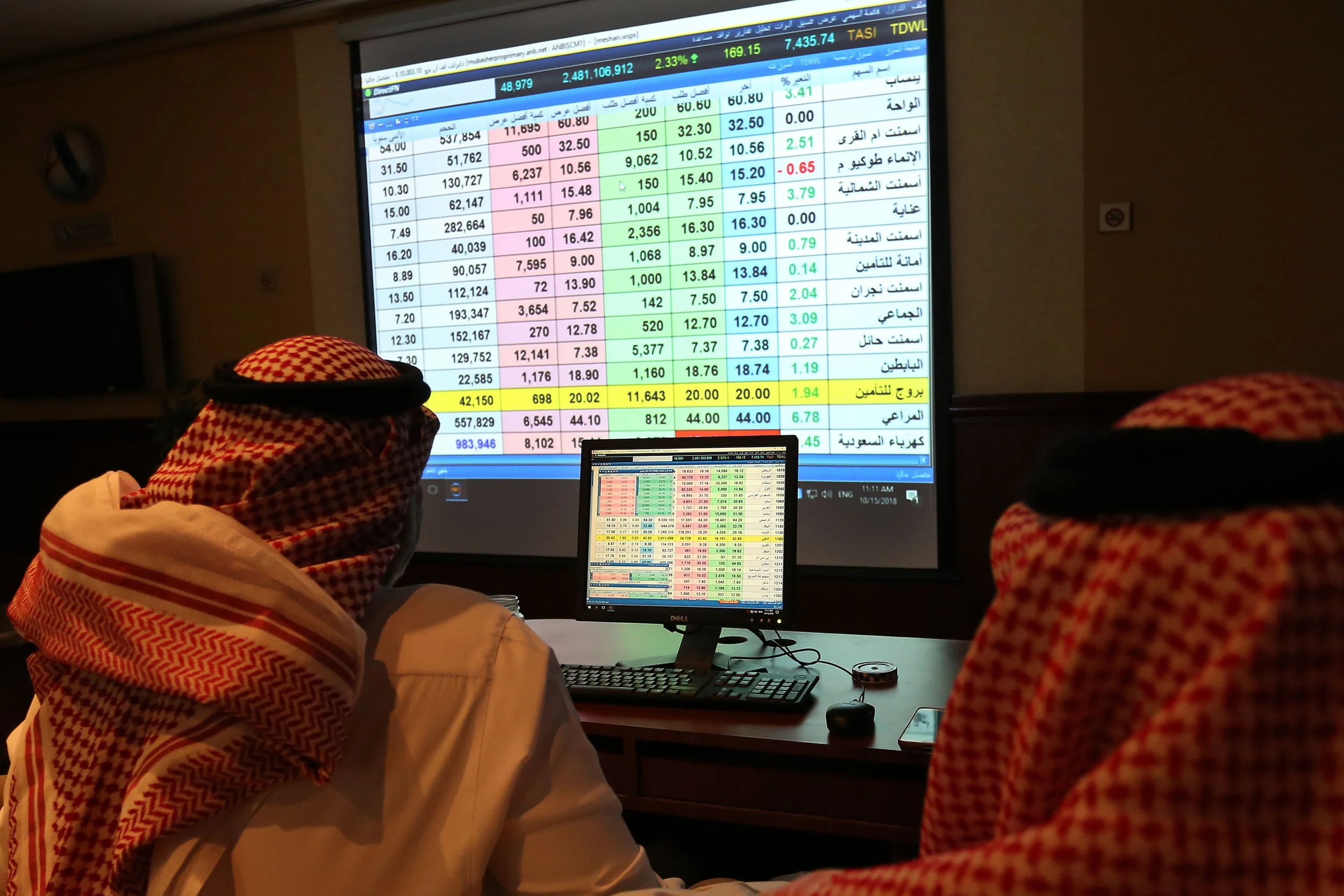
The Accounting and Auditing Organization for Islamic Financial Institutions - the body which sets and standardises global Shariah rules for financial institutions - is debating a new standard for sukuk which has put Middle Eastern family offices in a state of suspense
UBS is one of the many banks which put together reports providing insight into the family office sector, but what can we learn from these reports and do they all back each other up?
Delfin, the holding company for EssilorLuxottica has been the subject of a legal dispute between two of the heirs to Leonardo Del Vecchio’s eyewear empire. A truce has recently been agreed, but how long will it last?
While a liquidity crunch in private markets, coupled with an increasingly turbulent macroeconomic backdrop, has resulted in a number of large investors prioritising building portfolios’ liquidity, investment consultants have warned against pivoting too heavily into the space.
Once reticent to externalise investment advisory, family offices in the Gulf Cooperation Council are now looking to outsource their core investment functions. Or so say the experts.
Over the past couple of years, Hong Kong has been extremely proactive at encouraging family offices to relocate to the territory and has set up a government-backed support team to enable this
Wealthy families are increasingly looking beyond private banks towards multi-family offices, a trend which has led to consolidation within Switzerland’s multi-family office sector
A potentially contentious election is looming in Brazil but the country’s wealthiest families are largely keeping their money invested domestically, according to the head of wealth management at BTG Pactual, Latin America’s largest investment bank
According to new research from Standard Chartered Private Bank, which surveyed more than 300 ultra-wealthy families globally, nearly seven in 10 (69 per cent) are using an "institutional" approach to investment decisions rather than taking a "personal" approach to family affairs
Evolving governance requirements around private transactions, such as the EU’s 2024 package of anti-money laundering regulations, are steering families towards more institutional investment practices
Spending on healthcare has been increasing around the world for some years - a trend Stonehage Fleming is hoping to capitalise on
Family offices are using the blockchain to tokenise art works, meaning investors can now own small parts of a single piece of art
Multi-family office GACS believes it is well-positioned to meet the increasing demand for investing in India
Goldman Sachs’ Family Office Investment Insights report reveals that demand for public equities has risen on 2023 levels
Last year a host of asset owners terminated mandates with hedge fund managers but the tide may have turned.
Retail investors have been pulling money out of ESG investments for several years as enthusiasm for the style turns negative. Is this reflected among asset owners?
Paul Maia, a partner at McKinsey, explains how family offices and pension funds are changing their behaviour towards private equity.
Younger generations are encouraging family offices to switch from a wealth preservation approach to a growth-focused one.
As one of the most newsworthy assets during the past few years, cryptocurrency has gained attention for providing stellar returns but also for suffering steep losses. While crypto asset managers share a positive outlook for digital assets, institutional investors and advisors are less sanguine and more wary.