
Pension funds edge into UK venture capital as growth funding gap persists
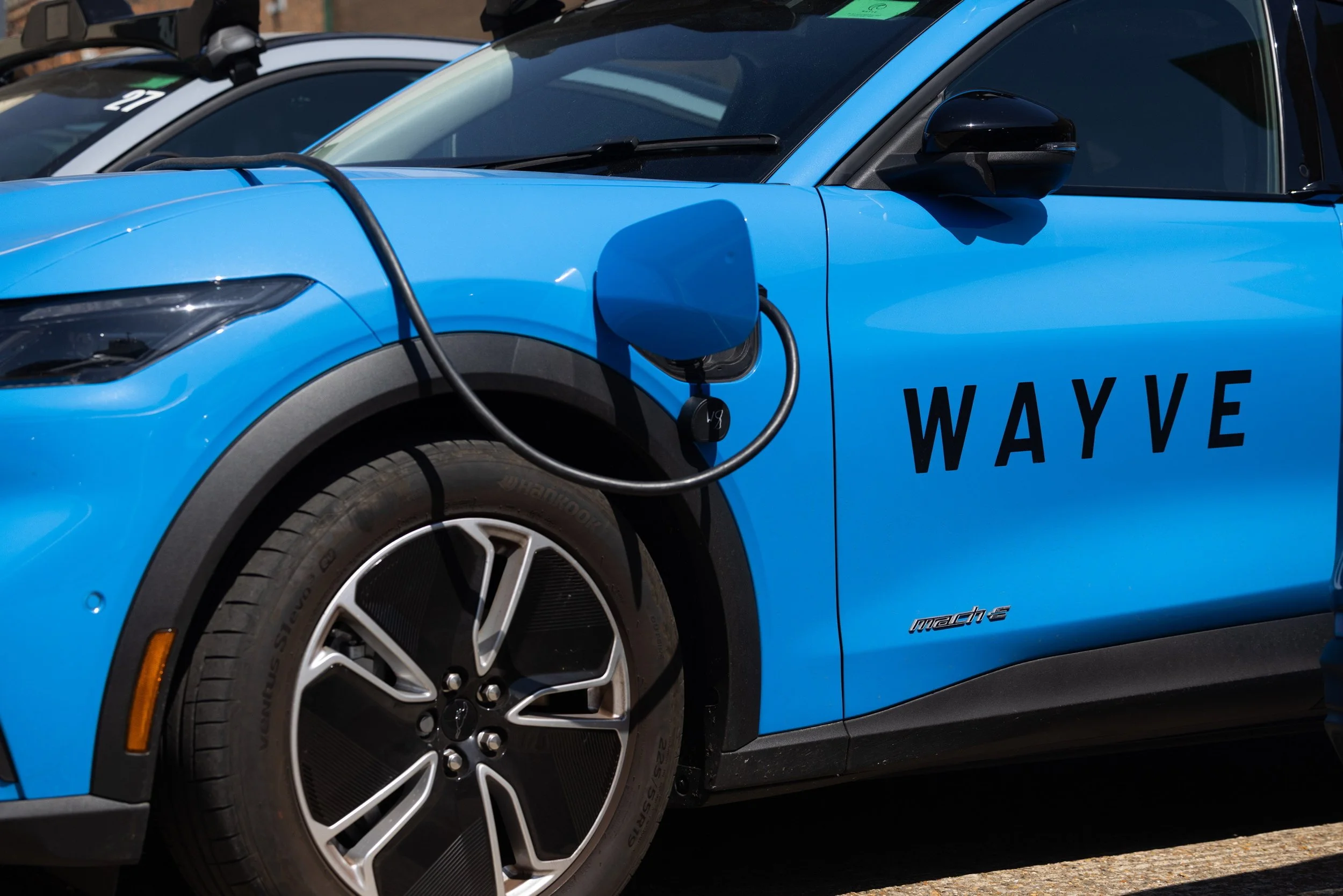
Self-driving car start-up Wayve has looked beyond the UK for its capital backing, underlining the limited depth of domestic late-stage funding (Chris Ratcliffe/Bloomberg)
While UK pension funds are beginning to increase their exposure to venture capital through new vehicles such as the British Growth Partnership, industry experts warn that a persistent shortage of late-stage funding continues to limit the market’s growth.
The British Growth Partnership, which has been orchestrated by the British Business Bank, has managed to obtain nascent venture capital allocations from pension funds for the first time this year.
Stephen Budge, a partner at LCP, says the British Growth Partnership has already secured pension fund commitments, with structures closer to "traditional venture capital and private equity" than LCP had expected at this stage.
In April, MandateWire reported that Aegon UK had made a $135mn allocation to the British Business Bank's UK-oriented venture capital fund, its first exposure to the asset class. The master trust invested alongside M&G and Cushon, with the vehicle reaching a $270mn first close.
The former UK chancellor Rachel Reeves has said the British Growth Partnership is helping technology businesses like Wayve, an AI-powered British autonomous driving start-up, to "hold their own on the global stage" and "start, scale and stay in the UK".
However, these businesses still lack growth equity capital, which remains a problem for the UK market.
UK Private Capital (previously the British Private Equity and Venture Capital Association), which represents the private capital industry, says British scale-up businesses looking for individual deals in excess of $40mn are "increasingly reliant on overseas investment to scale their businesses".
This makes sums like the $270mn allocated to the British Growth Partnership significant in convincing businesses to scale-up here.
But later-stage support could also come from the UK's largest companies, which alongside institutional investors could play a greater role in acquiring early-stage businesses, giving companies a reason to stay in the UK as they scale.
But even Wayve has looked beyond the UK for its capital backing, underlining the limited depth of domestic late-stage funding.
In February, the British Business Bank announced a $34mn investment in the auto-tech start-up as part of a wider $1.2bn global fundraising campaign that also attracted capital from the likes of Microsoft, Uber and Nvidia.
Michael Moore, chief executive of UK Private Capital, said the UK faces a "significant shortage of late-stage and follow-on funding, creating a scale-up gap".
"This shortage of capital has led to many UK companies to either rely on foreign investment or have them relocate overseas, taking intellectual property, quality jobs and innovation with them," Moore says.
By contrast, UK Private Capital says the UK has a "very strong market for funds that invest at seed to series A".
Indeed, while data from AOX sister title MandateWire shows a modest $152mn was put into early-stage ventures by European investors in the first quarter, there are ample examples of British institutional investors backing early-stage VC.
In March, the North East Fund hired three managers for an early small-to-medium enterprises investment fund focused on the North of England. The vehicle has an initial commitment of $47mn over five years, and will predominantly make debt-related investments.
Family office capital is a core part of the UK venture capital ecosystem. In March, we revealed that the London-based family investor Addition Capital had invested in a compliance and wellbeing platform for SMEs.
The UK faces a “significant shortage of late-stage and follow-on funding, creating a scale-up gap”
More predictable exit routes
Robyn Klingler-Vidra, vice-dean at King's College London and a reader in political economy and entrepreneurship, said the UK's largest businesses could learn from the example of South Korea, where the country's shipbuilding industry has become the "ultimate customer and backer of start-ups".
"Startups that are doing robotics, computer vision [and] AI can find an application that works for shipbuilding," Klingler-Vidra says.
For institutional investors, a deeper pool of domestic corporate buyers could help underpin valuations and provide more predictable exit routes.
In a similar way, the UK could tap into its strengths as a "niche superpower" in AI and quantum computing, Klingler-Vidra says.
If AI start-ups can find applications within the UK's largest industries — financials, energy, pharmaceuticals and others — these companies could become key buyers, she says.
Greater backing from these businesses could give institutional investors more confidence that domestic capital is aligning behind growth-stage companies.