
Does Japan’s idiosyncratic investment approach work?
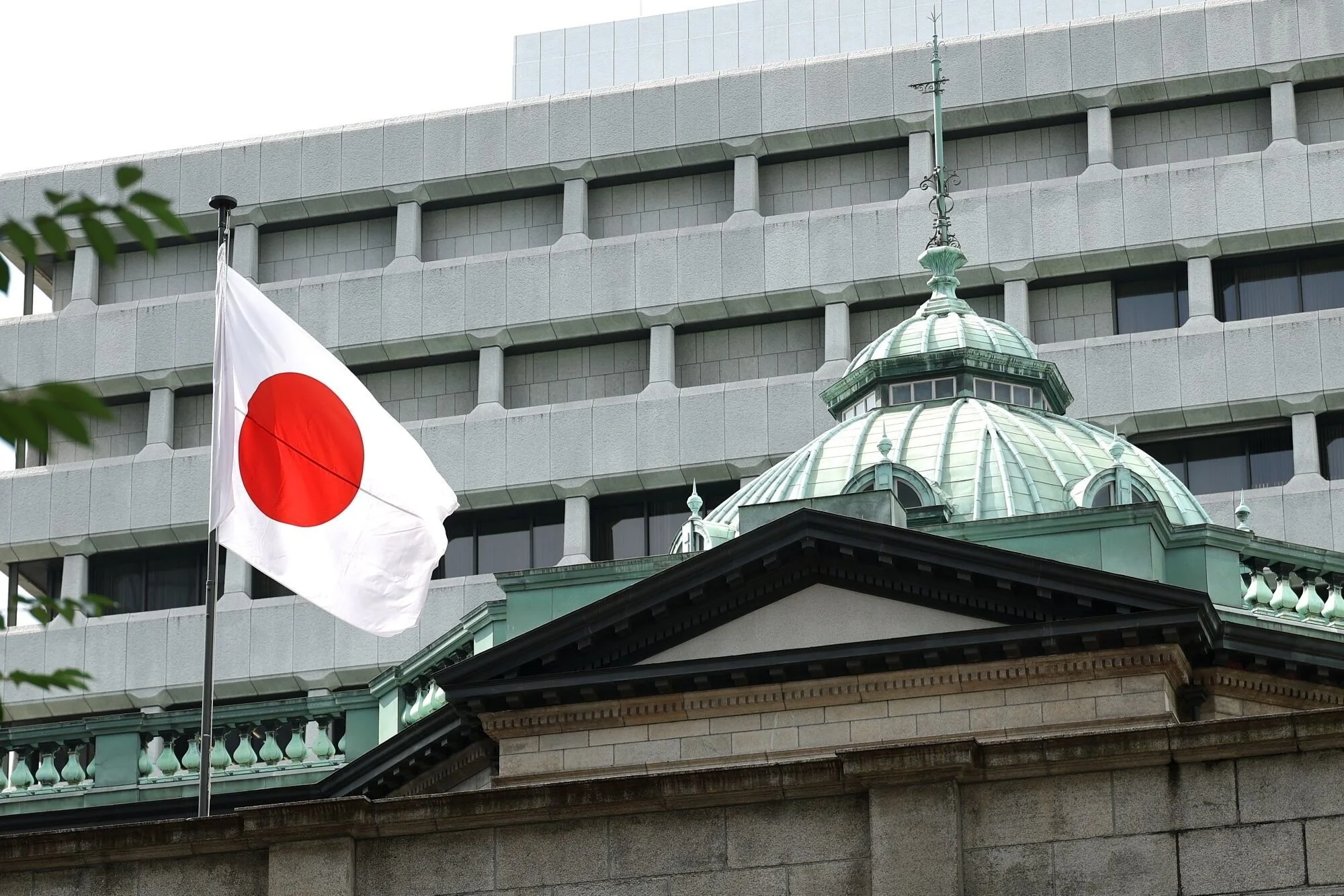
Many of Japan’s pension funds adopt the same, somewhat idiosyncratic, investment approach as the $1.9tn Government Pension Investment Fund. This yielded strong results last year, so should other asset owners take note? (Kiyoshi Ota/Bloomberg)
Good morning. This morning I’m going to present you with one of the more interesting or least interesting graphs I have created during my time editing AOX. I haven’t really decided (let me know what you think!).
Japan’s Government Pension Investment Fund is one of the biggest pensions, and indeed asset owners, in the world with assets of about $1.9tn.
This means the impact of its allocation decisions are keenly watched - and felt - around the globe but that is especially true at home in Japan - and not just among pension savers.
We will be looking into GPIF in a bit more depth in a couple of weeks but this week some context.
GPIF adheres to a strict framework that is reviewed every five years (the next one is due in 2030). That framework dictates that the fund allocates 25 per cent to four asset classes: domestic stocks, foreign stocks, domestic bonds and foreign bonds.
So influential has GPIF’s framework been, that most of Japan’s biggest pension funds follow it almost exactly:
This is not an exclusive list of Japan’s biggest pension funds - not all of them publish the relevant data (or at least not that I could find) - but it includes the biggest four and, removing GPIF, they collectively manage about $510bn.
But as you can see, the similarity is striking. But what impact does this have on returns? And does this mean Japanese savers are getting the same results regardless of where their pension is? Well, yes and no.
There is some variation, but not a huge amount, which suggests the investment teams at these pension funds are behaving somewhat independently of each other within those broad buckets.
In fact, for all its influence, GPIF is towards the bottom of the field. But all the funds involved performed within 3.8 percentage points of each other.
You will notice all the Japanese pension funds in question had a very good 2025 - in fact they all outperformed the three massive pension funds highlighted in the graph above.
This might make some people think “maybe I should also be copying GPIF’s investment framework?” but I would urge a bit of caution here.
2025 was an excellent year for the Japanese stock market. The Nikkei 225 was up about 26 per cent - in part due to a weaker yen and optimism about reform from the new government. And of course as part of this framework, all these funds had a 25 per cent allocation to the Japanese market.
There is reason for optimism around Japan but any asset owner thinking about pouring a quarter of their assets into Japanese equities should ask themselves whether last year’s returns are likely to be repeated.
