
Do asset owners now control the fate of the dollar?
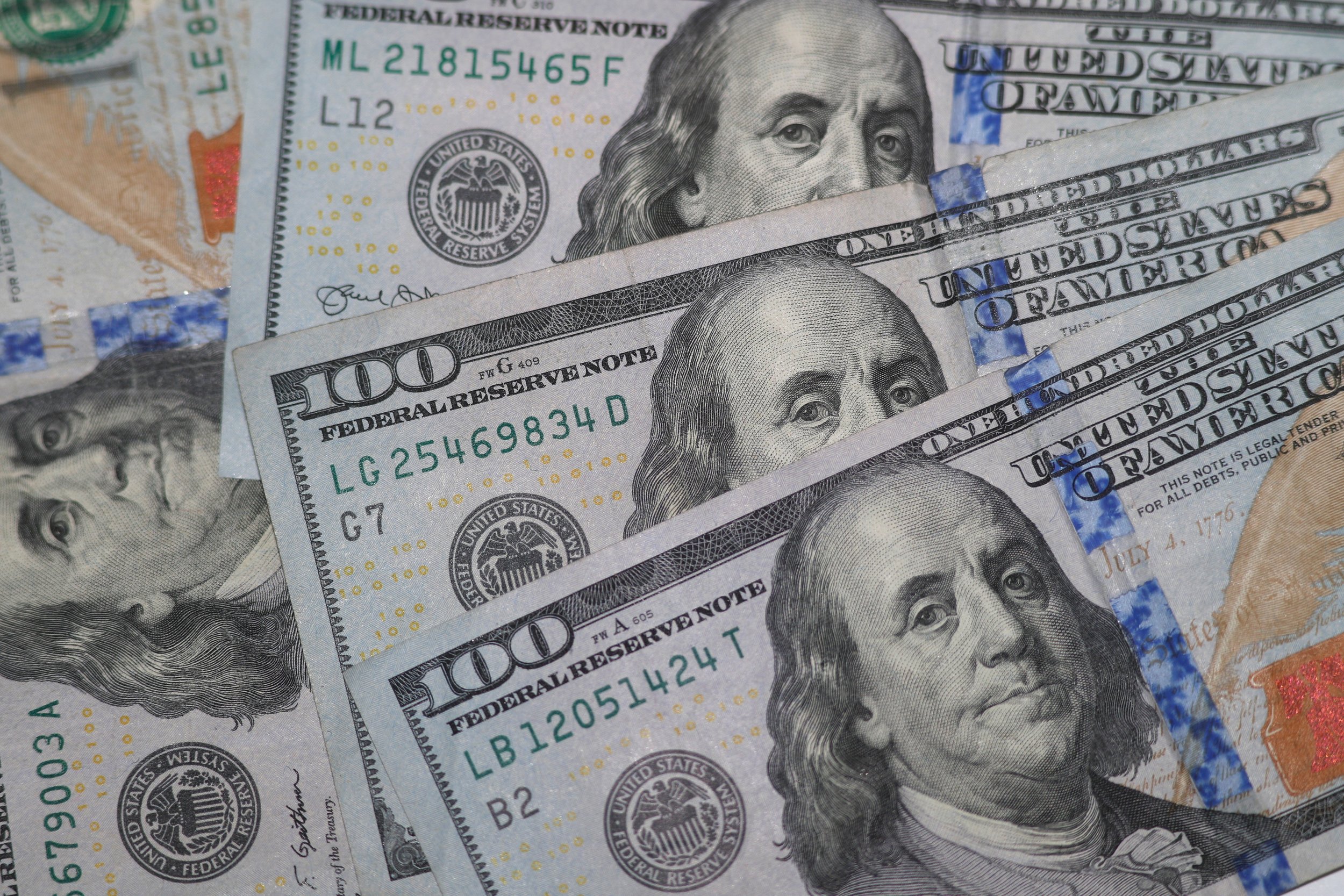
The foreign assets of some of the largest pension funds in the world are now larger than their country's foreign exchange reserves. What does this mean? (AP Photo/LM Otero)
Good morning. One of the constant refrains among governments across the world is the need to use their pension system to support their national economy - so-called pensions nationalism.
But this risks overlooking one somewhat opposing trend: the growing ownership of foreign assets by large state pension funds.
Analysis by Brad Setser of the Council for Foreign Relations shows the foreign portfolio of Japan’s $2.1tn GPIF grew from around $400bn in 2014 to around $1tn in Q1 of 2026.
In fact GPIF has almost as many foreign assets ($986bn) as the Japanese government has foreign exchange reserves ($1.1 trillion at the end of August).
South Korea’s $1.2tn National Pension Service has more foreign assets ($619bn) than the Bank of Korea has FX reserves ($440bn).
Setser refers to this phenomenon as “de-reservification”.
So what does it actually mean?
Well traditionally those who fret about “de-dollarisation” - or the gradual fall in reliance on the US dollar - look to central banks. But it seems increasingly the case that the future of the dollar doesn’t lie in the hands of central bankers, it depends on the asset allocation decisions made by asset owners.
It is obviously great for the US that asset owners are so keen to buy into the dollar, but it does somewhat leave it at the whims of asset allocation decisions.
A further complicating factor, as Setser highlights, is that increasingly the dollar assets held by asset owners are risk assets such as equities and corporate bonds.
The South Korean NPS fund invests overwhelmingly in US equities over US fixed income.
This puts the dollar’s future in the hands of the risk-return calculations, or the diversification requirements, of pension fund investors. And whether they think US equities will continue to have a great time.
