
Temasek questions its own emissions target but renews its commitment
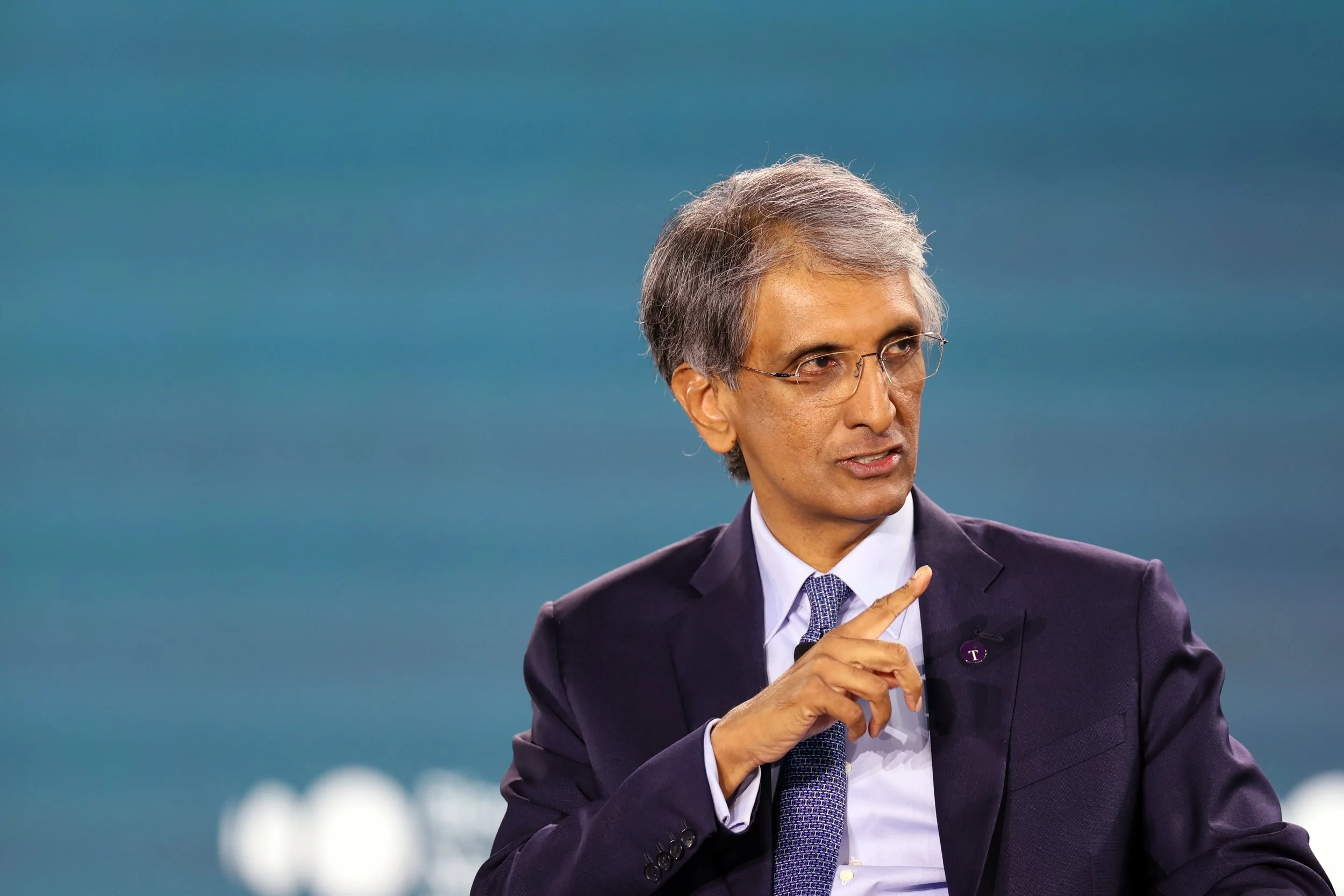
Dilhan Pillay, Temasek’s chief executive, said external headwinds had made decarbonisation pathways “slower and more disorderly” which contributed to the sovereign wealth fund missing its target to achieve net zero portfolio emissions by 2050 (Lionel Ng/Bloomberg)
Temasek has reaffirmed its ambition to achieve net zero portfolio emissions by 2050, even as it acknowledged that it was unlikely to meet its interim 2030 target - and questioned whether the approach is still valid.
The sovereign wealth fund had aimed to halve net emissions attributable to its portfolio by 2030 from 2010 levels. But it now expects to miss that goal given its portfolio concentration in hard-to-abate sectors (such as cement, aviation and shipping) and the need for a just transition.
“This does not reflect a step back from our long-term net zero ambition,” Temasek said in its recently released 2026 annual sustainability report.
The 2030 goal will remain an “important directional marker” as it continues to pursue emissions reductions through capital allocation, portfolio engagement and investment in transition technologies. Temasek has also begun reviewing its target to ensure that its 2050 ambition remains “current, credible, and actionable”.
“The important part there is that we are not just looking at managing for the number; what we really care about is the real economy impact,” Franziska Zimmermann, Temasek’s managing director for sustainability, said in a media briefing.
“I think the industry is more and more understanding that the absolute emissions number at portfolio level may not be the most effective measure of progress.”
Portfolio emissions were unchanged at 21mn tonnes of carbon dioxide equivalent in the fiscal year ending March 31, 2026, compared with its 2030 target of 11mn tonnes.
Temasek said its portfolio reflected the wider economy, including exposure to power generation, aviation, steel, cement and shipping. Fossil fuels remain embedded in these sectors, while lower-carbon alternatives are not always commercially viable at scale.
Dilhan Pillay, Temasek’s chief executive, said external headwinds had made decarbonisation pathways “slower and more disorderly”, while concerns about energy security and affordability had risen.
“But the longer-term pathway is clear: we need to transition to a cleaner, more resilient energy future, with renewables — and increasingly, storage — emerging as cost-effective and geopolitically resilient solutions,” he said.
Temasek plans to pursue its net zero ambition through three main approaches: investing in the low-carbon economy, encouraging portfolio companies to cut emissions and supporting carbon-market solutions.
Its portfolio aligned with its Sustainable Living investment trend reached $38bn in March 2026, up $2.3bn from a year earlier. Temasek invested $4bn in new opportunities during the year, including renewable energy, distributed power, water resilience and circular-materials businesses.
It is also working with 19 large portfolio companies that account for 88 per cent of its measured emissions. Fifteen have set targets to reach net zero by 2050 or earlier.