
Enlarged UK pension funds grow more demanding in manager relationships
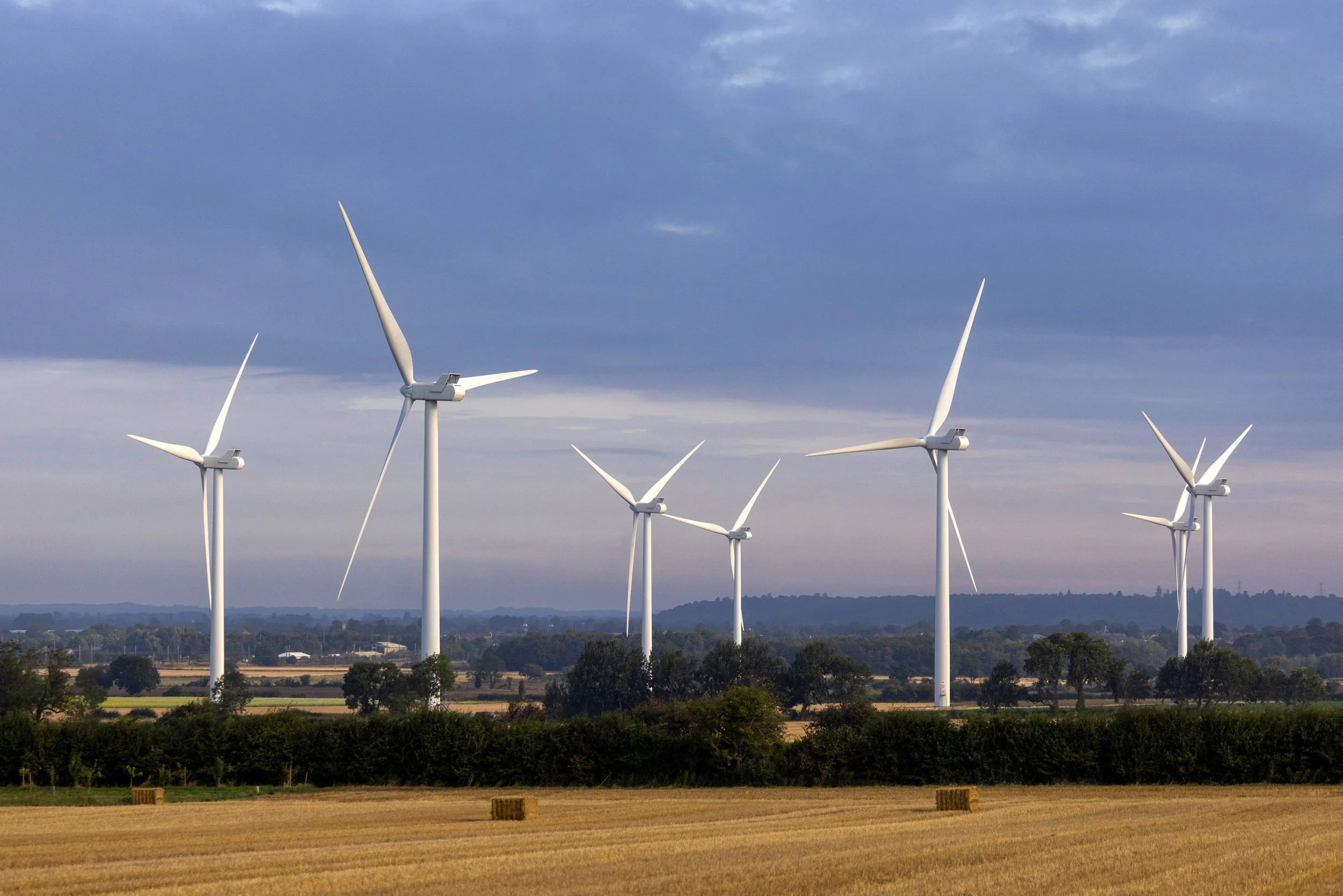
Large UK funds are showing a preference for segregated accounts and bespoke mandates when investing in unlisted assets, including infrastructure (Chris Ratcliffe/Bloomberg)
The rise of superscale master trusts in the UK is tightening the screws on asset managers, with bigger pension funds becoming more selective and more willing to challenge performance, investment consultants say.
According to Anthony Ellis, head of defined contribution trustee at Hymans Robertson, greater master trust consolidation will potentially open up more "market opportunities for [external] managers".
However, he says, closer "comparison of the 'superscale' master trusts' performance could mean manager performance will also come under greater scrutiny.,
The pressure comes as pension funds take a more discerning approach to working with external managers.
Larger UK pension funds are increasingly eager to work with managers through segregated accounts and bespoke private market sleeves.
In March the $50bn People's Pension identified infrastructure managers as it gets ready to introduce its first private markets allocations.
Phil Butler, the fund's deputy chief investment officer, said it was aiming to set up the investments in "a segregated, single managed account".
"We will own that structure, and we can overlay our [responsible investment] policy," he added.
Ellis explains that larger master trusts are growing more confident in advancing their own responsible investment beliefs in manager relationships, including on defence and AI themes.
Greater buying power means pension funds will work closely alongside managers to "devise these parameters, the characteristics of that fund and create mandates [in that collaborative] way".
The $12.5bn master trust Smart Pension, which has a roadmap to hit $33bn in its assets under management by 2035, is targeting an ambitious 15 per cent allocation to private markets, with plans to launch private equity investments for the first time this year.
James Lawrence, the pension provider's chief investment officer, said last year that the fund would be making allocations to managers through its own bespoke sleeves, appointing different managers across private debt, infrastructure and private equity.
These are "standalone bespoke funds that we're building out with the selected managers", rather than off-the-shelf long-term asset funds, Lawrence said.
“[At] £50bn or £100bn, [pension funds] can start to be the entity that dominates the market conversation and [they] can collaborate”
The emergence of an IFM-style 'super manager'
Master trusts are becoming increasingly ambitious in their private markets investments, outstripping the ambitions of the 2025 Mansion House Accord to get workplace pension providers to allocate 10 per cent of default funds to UK unlisted assets.
While Smart Pension is targeting a 15 per cent allocation to private markets, the $66bn National Employment Savings Trust aims to have a 30 per cent portfolio weight towards private assets by 2030.
Ellis adds that private market diversification will be prudent for master trusts, if equity markets do not "continue delivering investment returns of 14 per cent a year for the next 10 to 20 years".
As the pivot from the pensions industry towards private markets continues, Ellis says the next step could see UK retirement businesses looking to create their own private market managers.
The managers could be owned directly by large UK pension funds, in a similar vein to Australia's IFM Investors. It is co-owned by a consortium of the country's superannuation funds along with Nest in the UK.
"If you get to $66bn or $132bn, you can start to be the entity that dominates the market conversation and you can collaborate," Ellis explains. "Instead of investing [through a manager] you start creating the businesses and owning those".
Ellis points to the example of Kraken Technologies, an AI-powered operating system used by 70mn household and corporate energy accounts globally, which was developed by Octopus Energy in the UK.
Octopus is spinning off the business at a valuation of $8.65bn, having agreed to sell a roughly $1bn stake to a group of investors led by the New York-based D1 Capital Partners.
While Octopus Energy's founder, Greg Jackson, has said it could become a listed business with an initial public offering either in London or the US, Ellis says energy-related businesses are one area "where UK pension investors should be investing", potentially through an IFM-style manager.
"But that purchase is not... [lead] by a UK pension master trust," Ellis adds.
Scale is not everything
Ellis says the largest Australian superannuation funds have "outperformed, in general, the medium and smaller supers", demonstrating a "premium to those with scale".
In a briefing late last year, JPMorgan wrote that Australia's "larger funds such as [the $287bn] AustralianSuper and [the $259bn] Art can access a broader range of opportunities, including more complex and illiquid assets".
However, investment consultants are sceptical over the idea that greater scale always improves outcomes and investment returns.
Ellis adds that in the UK market, "bigger hasn't yet translated to outperformance in terms of investment".
While a bigger size allows master trusts to "own full value chains of investments", there is a risk that a tighter market could stymie innovation, if "six [or] seven of these [large retirement businesses] are... all doing the same thing".
Yona Chesner, head of investment in the north of England for pensions consultancy Cartwright, said "there's always space for boutique" asset managers, even in a future environment "where the vast majority" of pension assets are in DC master trusts.
He adds that "too much consolidation" is "never a good thing, because that reduces price tension for clients".