
Why are Dutch pension funds cooling on mortgages?
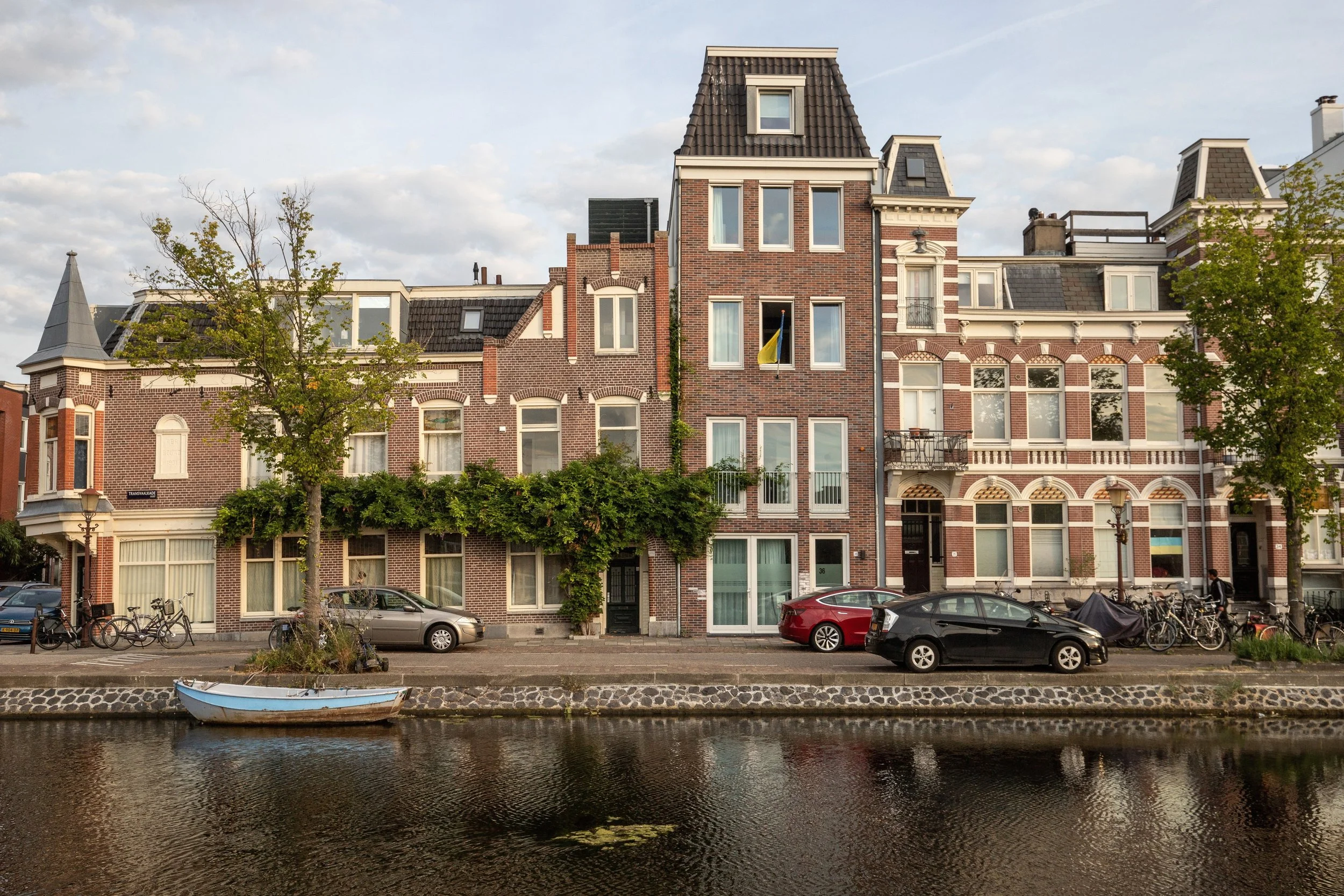
Following the 2008 financial crisis many Dutch pension funds started investing in mortgages, with $14.7bn a year flowing into these funds at its peak. But many are now scaling back, so what has happened? (Peter Boer/Bloomberg)
For the better part of a decade, Dutch pension funds have ploughed billions of euros into the mortgage market.
In the decade since 2013, this market grew from $4.5bn to $92.5bn and investment funds now account for nearly 10 per cent of all Dutch outstanding mortgage loans.
But according to data from our sister title MandateWire, interest in mortgages among Dutch institutional investors has been steadily declining. The number of allocations peaked in 2016 and hit its lowest point in 2025. According to the Dutch central bank, the raw amount of money being invested in these funds peaked at $14.7bn in 2021.
But what did Dutch pension funds see in mortgages to begin with?
According to analysis by Dutch pensions think tank Netspar the introduction of the new financial assessment framework in 2015 in response to the 2008 financial crisis was a cause of the recent surge in mortgage holding by pension funds.
Jan-Jaap Meindersma, head of investor relations and business development at DMFCO, said one of the key advantages of Dutch mortgages is the scale and speed at which capital can be deployed, while generating attractive returns and maintaining very high credit quality. The asset class therefore occupies a distinctive position in pension fund portfolios.
Arrears and losses are minimal, while mortgages also provide a tangible domestic investment that is easy to explain to members.
“We regularly see pension funds looking to invest around €1bn. In Dutch mortgages, that amount can be put to work within a relatively short period. Deploying a similar amount into asset classes such as private debt or infrastructure typically takes considerably longer,” Meindersma explains.
According to the asset manager, mortgages will continue to play a structural role in Dutch pension fund portfolios. They also align well with the environmental, social and governance objectives of many Dutch pension funds.
“There are few other asset classes through which pension assets can be invested so directly in the Dutch economy,” Meindersma concludes.
So what has happened to slow the amount of money going into mortgage funds into more of a trickle than a torrent?
“Dutch pension funds have significantly increased their exposure to Dutch mortgages since 2014, but that build-up phase is now largely complete. Most pension funds currently allocate around 5 to 10 per cent of their assets to the asset class, meaning there are fewer new manager searches than several years ago,” Meindersma tells AOX.
But some funds are now trimming their exposure, though this does not mean they are structurally exiting the asset class.
Meindersma notes that the reweights are mainly among pension funds with relatively high allocations to Dutch mortgages, in some cases exceeding 10 per cent of assets.
“Some of these funds are now scaling back their exposure to levels that are more in line with their overall asset allocation.”
When asked if the new Dutch pension system – which sees the transition from defined benefit schemes to defined contribution schemes – plays a role in investors’ mortgage appetite, Meindersma said: “Broadly speaking, we are not seeing major allocation shifts as a result of the new rules, but rather adjustments at individual pension funds. Some schemes, for example, need to hold more liquid assets. This largely depends on whether mortgages sit within the defensive portfolio or the return-seeking portfolio.”
But one consequence of the new system is a growing need for liquidity and tradability in mortgage portfolios. Some pension funds are reducing their allocations while others are increasing exposure but demand for secondary trading in mortgage portfolios has risen.
“Mortgages are typically viewed as an illiquid asset class, but their tradability has improved significantly in recent years,” Meindersma explains.
Higher interest rates have also changed the mortgage market recently, leading to more borrowers opting for 10-year fixed-rate mortgages rather than 20- or 30-year terms.
“Pension funds have traditionally preferred longer fixed-rate periods because of the long duration of their liabilities, although 10-year mortgages can also fit well within their portfolios.”
Meindersma still sees growth potential for Dutch mortgages.
“Some of the Netherlands’ largest pension funds still have relatively limited exposure to Dutch mortgages, at around 2 to 3 per cent of assets. Given their size, even a relatively small increase in their allocations could translate into billions of euros of additional investment. We therefore expect Dutch pension funds’ overall investment in domestic mortgages to continue growing in absolute terms over the coming years.”